
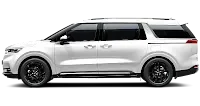



Discover a smarter way to drive.
Electric mobility is changing the way we think about everyday driving. Explore Kia’s growing range of fully electric and hybrid vehicles, understand the technology behind them and find the right electrified Kia for your lifestyle.
Taking the next step doesn’t need to feel complicated.
Moving into an electric or hybrid vehicle can raise plenty of questions. How far can I drive? Where do I charge? What is regenerative braking? And is electric or hybrid better for the way I use my car?
Kia offers a broad electrified vehicle range designed to suit different lifestyles, from compact urban EVs through to electric commercial vehicles and self-charging hybrid vehicles.
This guide from Morley Kia is designed to help you understand the differences, explore the current Kia EV range and make a more informed choice before you book a test drive.
What is an EV?
A Battery Electric Vehicle uses an electric motor powered by energy stored in a rechargeable battery. There is no petrol engine and no fuel tank.
Instead of visiting a petrol station, the vehicle can be charged at home or through compatible public charging infrastructure.
- Runs entirely on electricity
- No tailpipe emissions while driving
- Instant electric motor response
- Home and public charging options
- Fewer traditional engine components
What is a Hybrid?
A Hybrid Electric Vehicle combines a petrol engine with an electric motor and battery. The vehicle manages both power sources automatically while you drive.
You don’t need to plug a conventional hybrid into a charger. Energy can be recovered during deceleration and braking to help recharge the hybrid battery.
- Petrol engine plus electric motor
- No external charging required for HEV models
- Especially useful in stop-start driving
- Regenerative braking recovers energy
- Familiar petrol refuelling experience

Meet the Kia EV family.
From compact electric SUVs and performance-focused crossovers to purpose-built electric commercial vehicles, Kia’s EV range gives Perth drivers and businesses more ways to move into electric mobility.
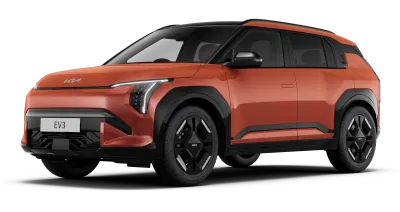
Kia EV3
Designed as an approachable entry into Kia’s dedicated electric range, the EV3 combines compact SUV practicality with the quiet performance, technology and everyday usability of a fully electric powertrain.

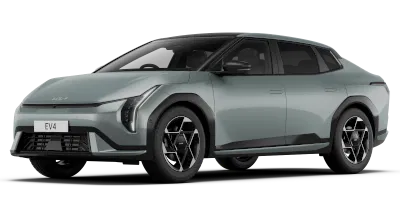
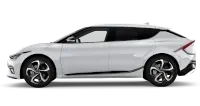
Kia EV4
The EV4 brings Kia’s electric vehicle technology into a sleek passenger-car format. It offers an alternative for drivers who want the benefits of electric mobility without moving into a traditional SUV.

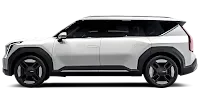
Kia EV5
The Kia EV5 brings electric power to one of Australia’s most popular vehicle categories. Its medium-SUV layout makes it particularly relevant for drivers looking for everyday practicality, passenger space and electric driving in one package.

Kia EV6
The EV6 combines Kia’s dedicated electric vehicle architecture with a lower, performance-inspired crossover profile. It is designed for drivers who want electric efficiency without giving up an engaging driving experience.

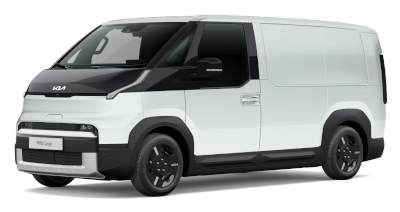
2026 Kia PV5
The Kia PV5 Cargo brings Kia’s electric technology into a purpose-built commercial vehicle. Its practical cargo area, low loading height and flexible electric platform make it an option for businesses looking to move deliveries, equipment and everyday operations into the electric era.

What changes when you drive an EV?
The transition to electric is less about learning to drive differently and more about understanding a new way of powering your vehicle.
Charging at home
Many EV owners do the majority of their charging at home. The right charging solution depends on your vehicle, property and electrical installation.
Public charging
Public charging networks can support longer journeys and drivers who need to top up away from home. Charging speeds vary by charger and vehicle.
Regenerative braking
EVs can recover energy while slowing down. Regenerative braking can send some of that energy back to the battery.
Everyday range
Actual electric range can vary depending on driving style, temperature, speed, road conditions, vehicle load and climate-control use.
Petrol and electric power, working together.
A hybrid vehicle can automatically change the way it uses its petrol engine and electric motor depending on the driving situation. The driver generally doesn’t need to manage this process manually.
Moving away
At lower speeds and under suitable conditions, the electric motor can help move the vehicle using energy stored in the hybrid battery.
Cruising
The petrol engine and electric system can work independently or together depending on speed, load and driving conditions.
Accelerating
When stronger acceleration is needed, the petrol engine and electric motor can combine their output.
Slowing down
Regenerative braking can capture energy during deceleration and feed it back into the hybrid battery for later use.

Available Now
Explore selected electric Kia vehicles currently available at Morley Kia, including new and demonstrator stock.
Electric Vehicles
Browse current Kia EV and PV5 electric stock available at Morley Kia.

2026 Kia EV5 Air Long Range Auto MY26

2026 Kia PV5 Cargo S Long Range Reduction Gear

2026 Kia EV5 Air Standard Range Auto MY26

2026 Kia EV5 GT-Line Auto AWD MY26

2026 Kia EV3 GT-Line Long Range Auto 2WD MY26

2026 Kia EV5 Air Long Range Auto MY26
Electric ownership brings a different set of benefits.
Quiet, responsive driving
Electric motors can deliver immediate response from low speeds, creating smooth acceleration without conventional gear changes.
Fewer traditional service items
Fully electric vehicles don’t require conventional engine oil, spark plugs or many other components associated with petrol engines.
Charge around your lifestyle
Depending on your home setup, charging can often happen overnight while the vehicle is already parked.
No tailpipe emissions
Fully electric vehicles produce no tailpipe emissions while being driven, because there is no internal combustion engine.
Questions before going electric?
These are some of the most common questions drivers ask when comparing electric and hybrid vehicles.
What is a Battery Electric Vehicle?
A Battery Electric Vehicle, often called a BEV or EV, uses an electric motor powered by a rechargeable battery rather than a petrol or diesel engine.
Do I need a home charger to own an EV?
Home charging can make EV ownership more convenient, but the appropriate charging solution depends on your vehicle, property and driving requirements. Public charging may also form part of your charging routine.
How long does an electric car take to charge?
Charging time varies depending on the vehicle, battery size, charging equipment, battery temperature, current state of charge and power available from the charger.
What affects electric vehicle driving range?
Driving speed, acceleration, temperature, road conditions, passenger and luggage load, battery condition and climate-control use can all affect the distance an EV travels from a charge.
Does a Kia Hybrid need to be plugged in?
A conventional Hybrid Electric Vehicle does not need to be plugged into an external charger. Its battery can be replenished through the vehicle’s petrol engine and regenerative braking system while you drive.
Which is better for me — Electric or Hybrid?
That depends on how you drive, where you park, your access to charging, the distances you regularly travel and the type of vehicle you need. The Morley Kia team can help you compare both options.
Experience electric for yourself.
Reading about electric vehicles is useful. Driving one makes the difference much easier to understand. Talk to Morley Kia about available EV and Hybrid vehicles, charging questions and arranging a test drive.
Vehicle information is provided as a general guide only. Model availability, specifications, features, electric driving range, charging performance and fuel consumption vary by model, grade, model year, driving conditions and other factors. Contact Morley Kia or refer to current Kia Australia information for current specifications, availability and vehicle information.